
The Airfield

Located in Suffolk, RAF Lavenham — Station 137 — was home to the USAAF 487th Bombardment Group from April 1944. The Group flew 185 missions over occupied Europe before departing in July 1945, leaving behind a landscape that still carries the marks of their presence.

About RAF Lavenham — Station 137

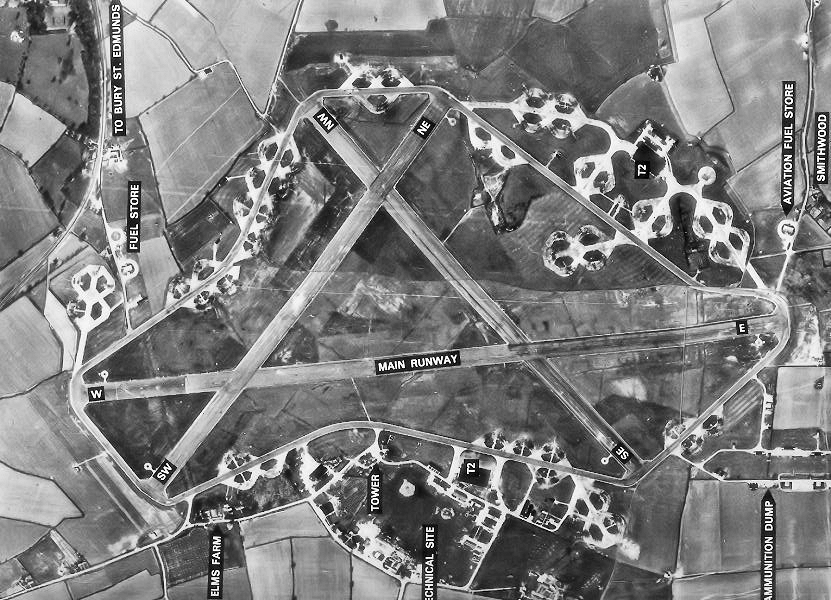
The airfield is situated approximately 1.5 miles north of Lavenham and stretches west towards Alpheton. Construction began in September 1943, the runways built using rubble recovered from buildings bombed in London during the Blitz — a direct, physical connection between the suffering of one city and the effort to end the war that caused it. Even today, the signatures of some of the men who built the taxiways can still be seen in the concrete.

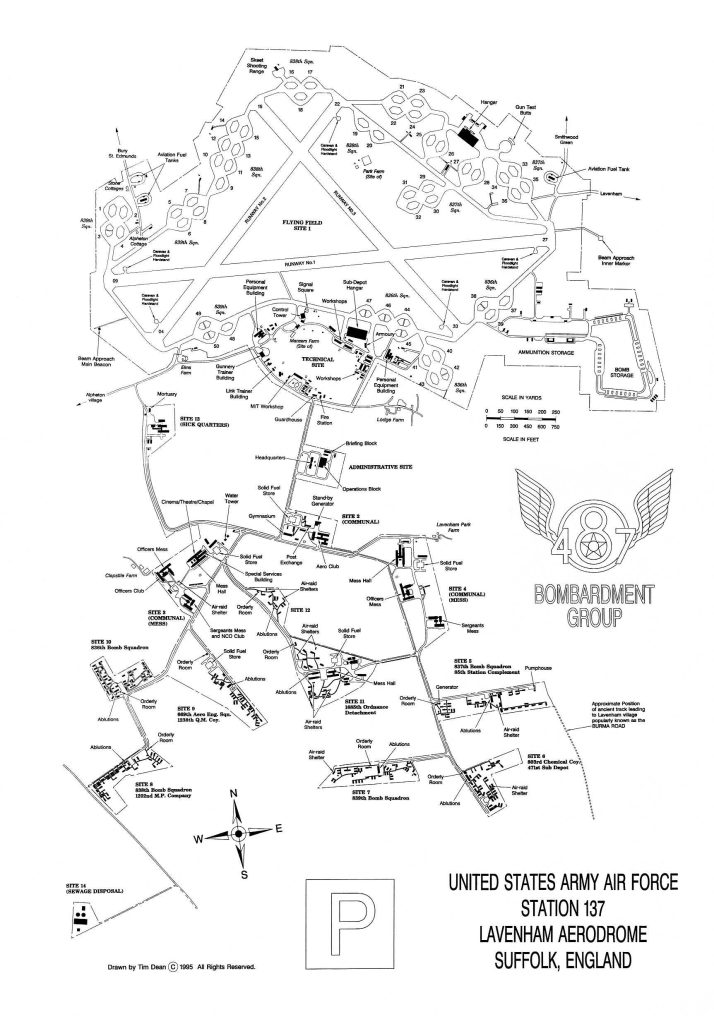
At its peak the base comprised three runways, hardstandings for 50 bombers positioned around the perimeter, two T2 hangars (one to the north, one to the south), a control tower, seven barrack areas, two large mess halls, a dispensary, and a bomb and ammunition dump. It was, in effect, a small American town dropped into the Suffolk countryside.

Arrival of the 487th Bomb Group — April 1944

In April 1944, the 487th Bombardment Group of the 8th Air Force, United States Army Air Force, 3rd Air Division, arrived at Station 137. The Group comprised four squadrons: the 836th, 837th, 838th, and 839th Bombardment Squadrons. At its peak the base was home to 2,894 men, including 421 officers.

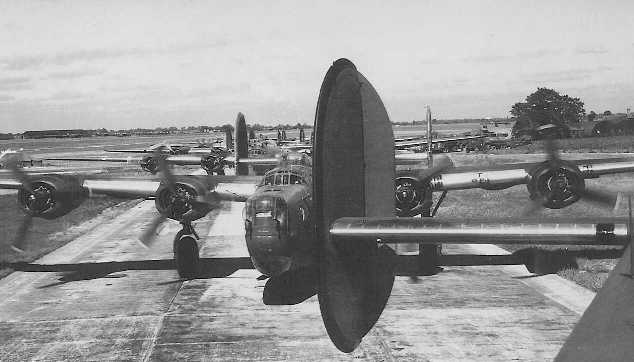
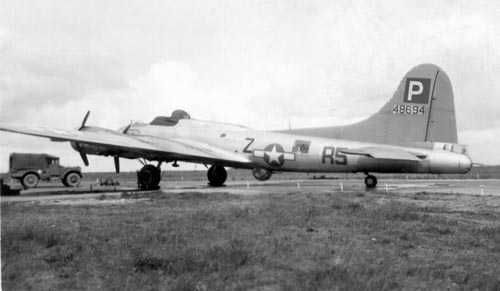
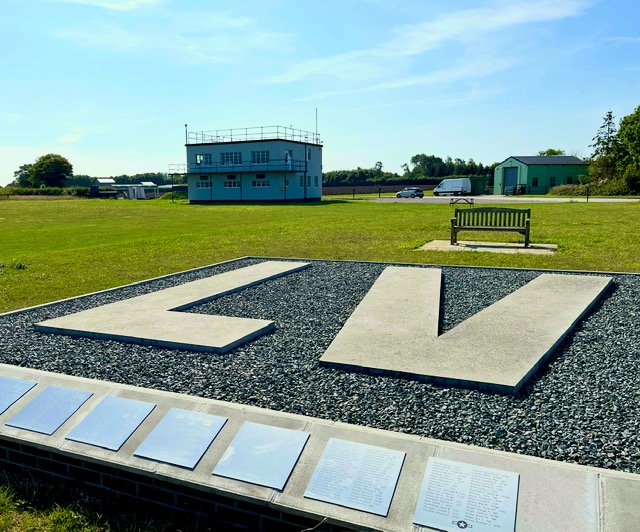
When the Group first arrived, they flew B-24 Liberators. Conversion to Boeing B-17 Flying Fortresses was completed by August 1944 — the B-17 offered superior high-altitude performance and better suited the 3rd Division’s operational requirements. The aircraft carried a white letter ‘P’ on their tail fins to identify their unit. The RAF flew primarily by night; the USAAF flew by day.

“A typical bomber airfield was like a small town with over 3,000 citizens — briefing rooms, mess halls, cinema huts, a PX store, a control tower, and row upon row of hardstandings stretching into the Suffolk fields.”
— East Anglian Aviation Heritage

Operations and Service — 1944–1945

The 487th Bomb Group flew its first mission in May 1944, bombing airfields in France in preparation for the Allied invasion of Normandy. In the weeks that followed, the Group attacked coastal defences, road junctions, bridges, and German troop positions to support the breakthrough at Caen and the advance across France.

From August 1944, with the conversion to B-17s complete, the Group flew almost exclusively against strategic targets in Germany: oil refineries at Merseburg and Mannheim, factories in Nuremberg, Hanover, and Berlin, and marshalling yards at Cologne, Münster, and Hamm. The 487th undertook 185 missions in total. A total of 33 aircraft were lost while operating from Lavenham. The final aircraft left the airfield in July 1945.

Life on the Base

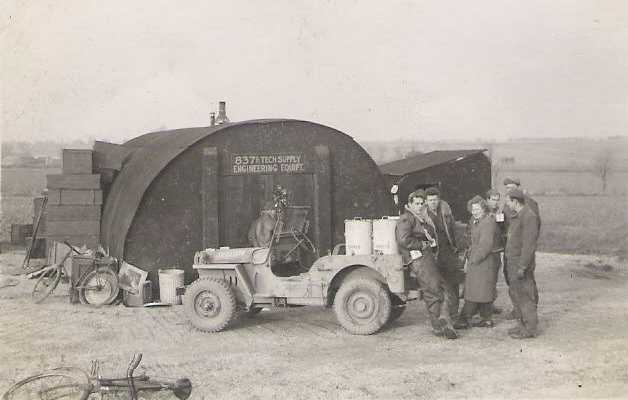
Life on the airfield was spartan. The mess halls were constructed from corrugated metal with small windows and limited insulation — bitterly cold in winter, stifling in summer. Coal was rationed. The cinema hut was often too cold to sit through a full film. The PX store rationed cigarettes to five per man per week.

Yet bonds formed here that lasted lifetimes. The village of Lavenham became a second home for many of the men stationed here. The Swan Hotel served as the airmen’s unofficial local pub, and the crews left their mark in a way that endures: their signatures, etched into the walls of The Swan, remain preserved under glass to this day.

Lavenham and the American Presence

The Guildhall in the Market Place served as a British restaurant run by the American Red Cross, providing tea, coffee, and snacks to servicemen on passes into the village. It reportedly took some time for American palates to adjust to English food. Outside the Guildhall, a plaque commemorates the 487th Bomb Group. In the Church of St Peter and St Paul, an ‘American Corner’ houses a donated electric blower and the Group’s flag still hangs in the Branch Chapel — a quiet, enduring mark of the bond formed between these Suffolk people and their wartime guests.

The Airfield Today

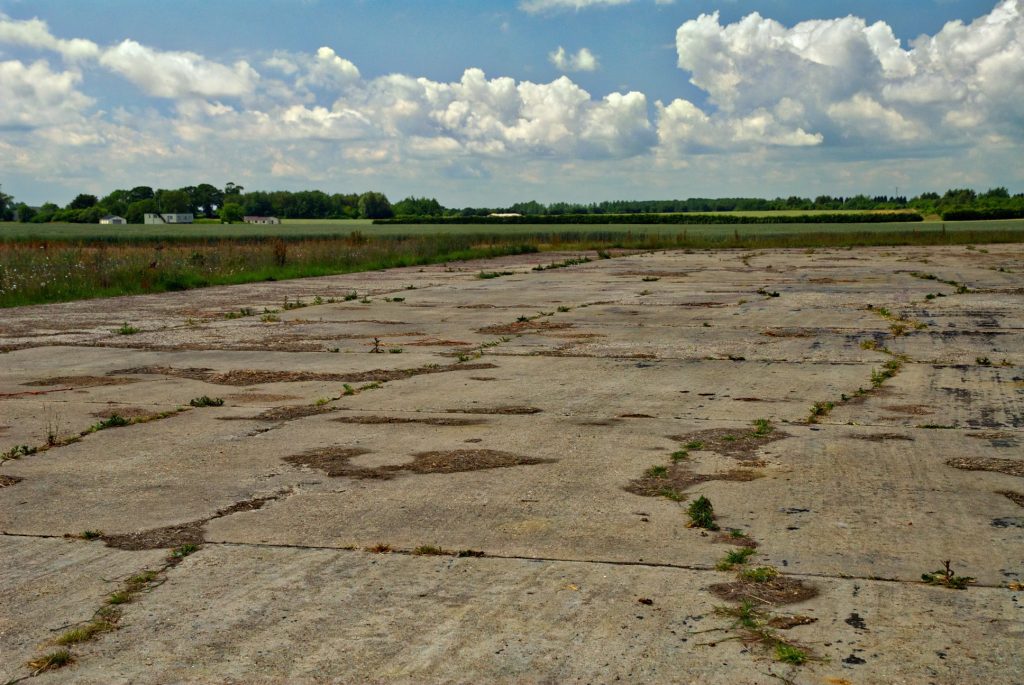
The airfield returned to farmland in 1948. It is privately owned, but much of its original layout can still be traced across the landscape. Sections of the perimeter track remain visible, several hardstandings survive, and the control tower — weathered but standing — continues to overlook the fields where B-17s once lined up at dawn. Signatures of the construction workers are still visible in sections of the concrete taxiway.

The number of veterans who remain is very few. But their families continue to visit Lavenham, and FOLA continues to work to ensure that the memory of those who served here does not fade with them.